Sustainable Bathroom · 2026-06-08
How to Reduce Plastic Waste in Your Bathroom
The bathroom is full of small plastic habits.
Body wash bottles. Shampoo bottles. Conditioner bottles. Toothpaste tubes. Razor cartridges. Deodorant containers. Skincare jars. Travel-size products. Samples. Pumps. Caps. Wrappers.
None of these items feels huge on its own. Together, they create a steady stream of packaging.
Reducing bathroom plastic waste does not have to mean making your routine joyless or complicated. The best changes are the ones you can keep doing. A product that looks responsible but feels annoying will eventually be abandoned.
The goal is not perfection. The goal is better habits that fit real life.
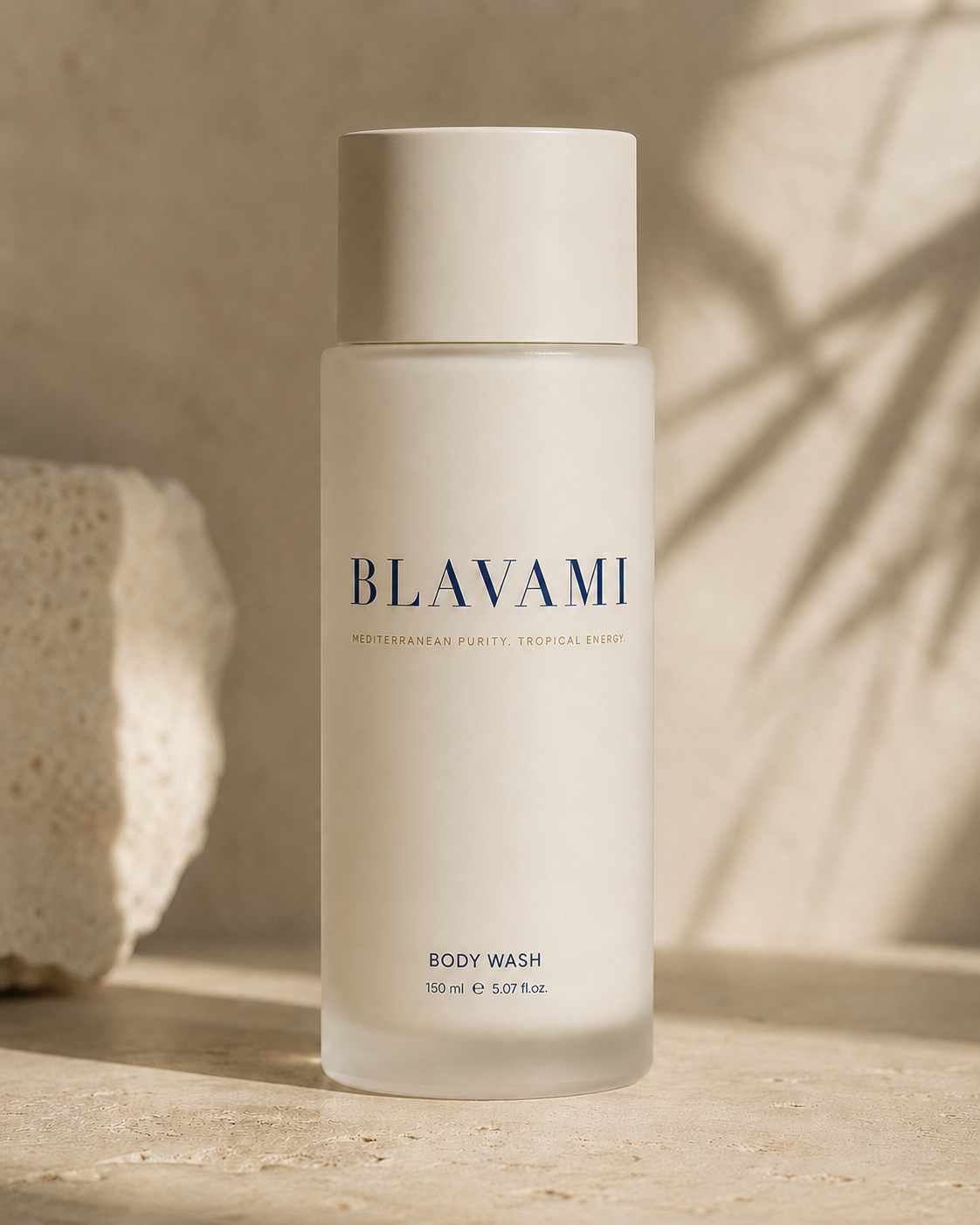
Blavami is being built around that idea: a premium powder-to-body-wash ritual designed to reduce water weight and support a reusable bottle system without making the shower feel like a downgrade.
Start with the products you replace most often
The easiest place to begin is with the items you finish repeatedly.
For many people, that means:
- body wash
- shampoo
- conditioner
- hand soap
- toothpaste
- deodorant
- razors
- cotton rounds
- travel toiletries
These are the products where small changes can add up. If you only buy something once a year, changing it matters less than changing something you replace every month.
Body wash is a good example because it is often sold in plastic bottles and used frequently. That makes it a practical category to rethink.
Choose refillable systems you will actually use
Refillable products sound good, but they only work if the system is easy enough to repeat.
A good refillable system should have:
- a bottle worth keeping
- refills that are easy to store
- clear instructions
- low mess
- a product that performs well
- a routine that does not feel like extra work
If the refill is confusing or the bottle feels cheap, people fall back to the old habit.
This is why Blavami treats the reusable bottle as part of the product. The bottle needs to belong in the bathroom. It needs to make reuse feel natural.
Reduce shipping water where possible
Many bathroom products are water-based. That is not automatically bad. Water is often essential to the final texture and use experience.
But in some categories, it is worth asking whether the water needs to be shipped inside the product or whether it can be added at home.
Concentrated formats, tablets, powders, and refill systems all explore this idea in different ways.
Powdered body wash applies it to the shower. Instead of shipping a finished bottle of liquid body wash, the product ships as a concentrated powder. Water is added later, inside a reusable bottle.
This can reduce water weight in transit and make refills smaller and easier to store.
Avoid the trap of buying more “eco” products
One mistake is replacing everything at once.
That can create a different kind of waste: half-used products, impulse purchases, duplicates, and bathroom clutter.
A better approach is to finish what you already have, then replace one category at a time with something you are likely to keep using.
Start with the product that annoys you most.
If your body wash bottle keeps creating plastic waste, switch that. If your travel toiletries always leak, solve that. If disposable razors bother you, address those.
Sustainable habits work better when they are practical.
Think about the whole product, not just the packaging
A product is not sustainable just because it has brown paper packaging or uses the word “natural.”
Look at the system:
- Is the bottle reusable?
- Are the refills smaller?
- Does the product perform well enough to keep using?
- Is the packaging excessive?
- Are the claims specific and believable?
- Does the brand avoid fear-based marketing?
- Is the product designed for actual behavior?
The last point matters most. A reusable product that nobody reuses does not solve much.
Travel sizes are convenient but wasteful
Travel-size toiletries are useful in the moment, but they often create extra packaging. Small plastic bottles, samples, hotel minis, and emergency purchases can add up quickly.
A better travel routine can reduce that waste.
Options include:
- refillable travel containers
- solid cleansers
- bar soap with a good case
- powder formats
- products that work for both home and travel
Powdered body wash can be especially useful because it can travel before water is added. That means less liquid, less weight, and lower leakage risk before mixing.
Make the better option visible
Bathroom habits are visual.
If the better option is hidden in a drawer, you may not use it. If it looks good in the shower, you are more likely to keep the habit.
This is one reason design matters. A reusable bottle should not feel like a punishment. It should feel like an upgrade. It should be easy to see, easy to use, and pleasant enough to keep.
Lower-waste products should not rely on guilt. They should earn their place.
Be careful with “plastic-free” claims
Plastic reduction is important, but the language can get sloppy.
Some products claim to be plastic-free while still using plastic in caps, liners, shipping materials, adhesives, or supply chains. Others reduce plastic but increase other types of packaging.
That does not mean they are bad. It means the details matter.
Blavami’s approach is to use careful claims. We are developing a format intended to reduce reliance on single-use plastic when used with a reusable bottle. That is more honest than pretending any product is perfect.
A practical bathroom reset
Here is a simple way to start:
- Use up what you already own.
- Pick one high-repeat product to replace.
- Choose a refillable or concentrated alternative.
- Keep the new system visible and easy to use.
- Avoid buying too many “sustainable” replacements at once.
- Track whether you actually like the new routine.
- Only expand the habit when the first change sticks.
That is how real change happens: not through a perfect bathroom shelf, but through better defaults.
Where body wash fits
Body wash is a strong candidate for change because the category is so tied to liquid bottles.
A powder-to-body-wash format can rethink the product around concentration, reuse, lighter refills, and travel convenience. But the formula still has to feel good. The bottle still has to work. The ritual still has to be pleasant.
That is the standard Blavami is aiming for. Learn more about our sustainability approach, ingredient philosophy, and early access list.
A lower-waste body wash should not make the shower feel less luxurious. It should make the better habit feel natural.
FAQs
What is the easiest way to reduce bathroom plastic waste?
Start with the products you replace most often, such as body wash, shampoo, hand soap, razors, or deodorant.Are refillable bathroom products always better?
Not always. They work best when the bottle is reused consistently and the refill system is practical.Does powdered body wash reduce plastic waste?
It can help reduce reliance on single-use plastic when used with a reusable bottle and thoughtful refill packaging.Should I throw away my current products and replace them?
No. Use what you already have first. Then replace one category at a time.Is Blavami plastic-free?
Blavami is being designed around a reusable bottle and lower-waste refill concept. Final packaging details will determine the exact claims we can make.Blavami is developing a premium powder-to-body-wash ritual designed to reduce water weight, support a reusable bottle system, and make body wash easier to travel with. Join the early access list to follow the launch, or explore more Blavami Learn guides.
Join the Blavami prelaunch list
Blavami is developing a premium powder-to-body-wash ritual designed for less water shipped, a reusable bottle, and easier travel.
Join Early AccessRelated articles
Why Oatmeal Is Used in Gentle Skin Products
Oatmeal has a long history in gentle personal care. Here’s why it shows up in body wash, cleansers, and comfort-led skincare formulas.
Read moreWhy Most Body Wash Is Mostly Water
Traditional body wash is usually sold as a finished liquid, which means a lot of what gets shipped is water. Here’s why that matters.
Read moreWhat Makes a Body Wash Feel Luxurious?
Luxury body wash is about more than fragrance. Texture, spreadability, lather, rinse feel, packaging, and ritual all matter.
Read more